ERV & Fresh Air Ventilation
Licensed & Insured · Serving 65+ Utah Cities
ERV & Fresh Air Ventilation
Bring Fresh Air In Without Wasting Energy
Serving Utah County, Salt Lake County, Davis County, Wasatch & Summit County
500+ Reviews
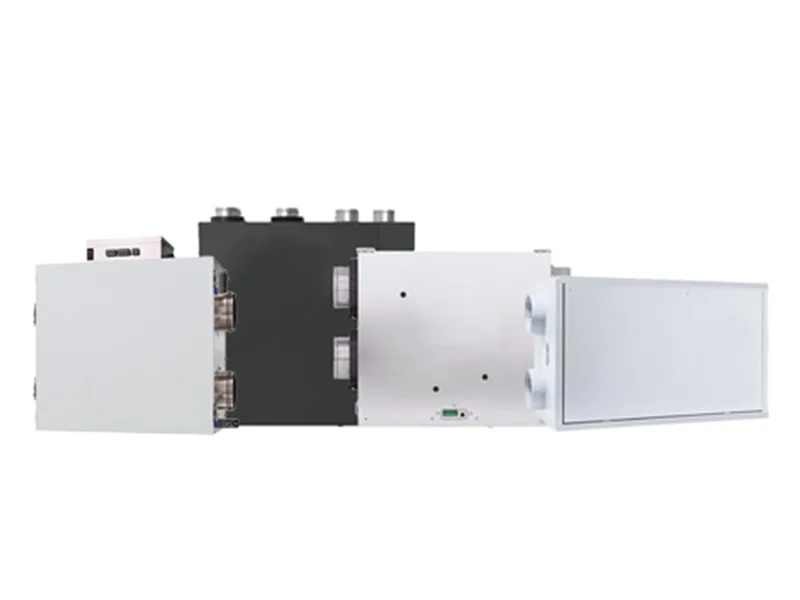
Modern homes are built tight for energy efficiency — but that means stale air, elevated CO2, and trapped pollutants have nowhere to go. An Energy Recovery Ventilator (ERV) solves this by continuously exchanging stale indoor air with fresh outdoor air while recovering up to 80% of the heating or cooling energy. You get fresh air without the energy penalty of opening windows.
The Details
What You Need to Know
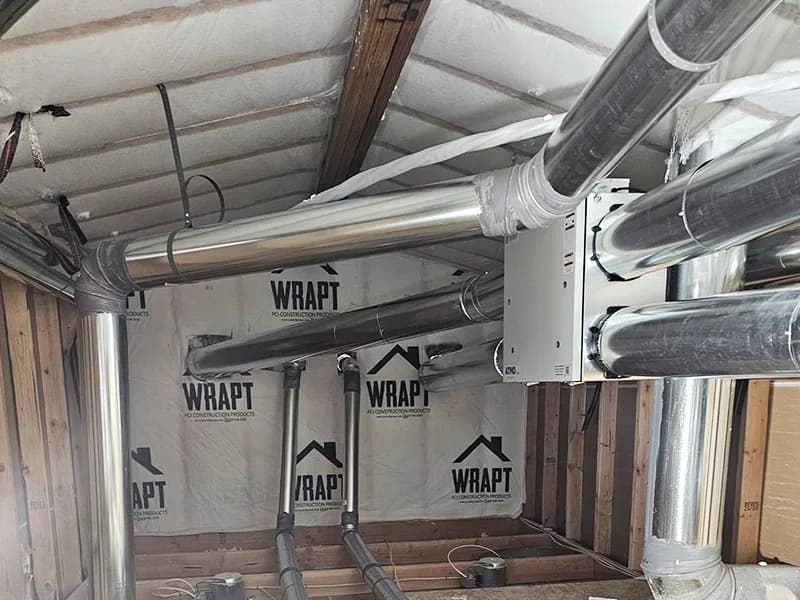
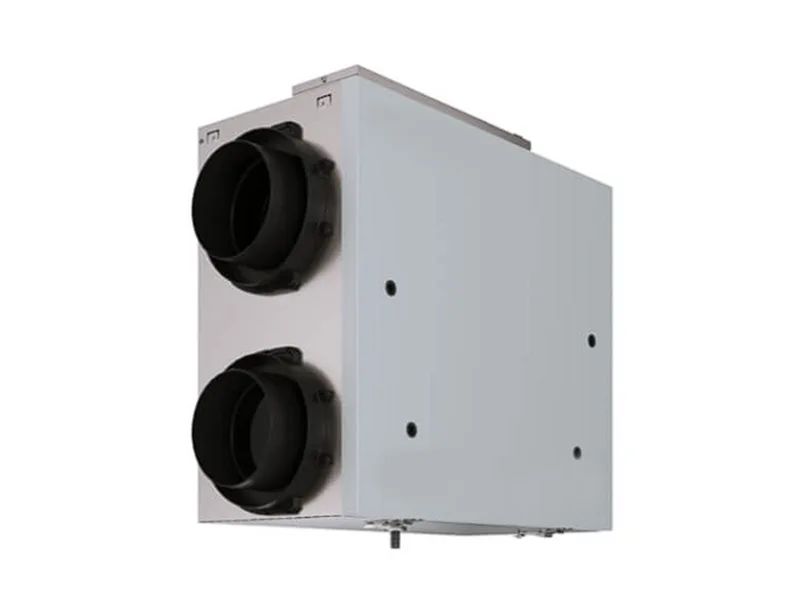
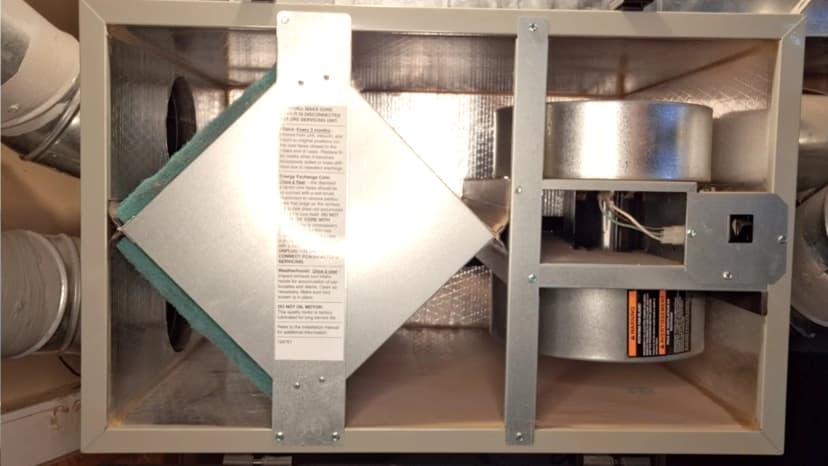
An ERV uses a heat exchanger core to transfer heat and moisture between the outgoing stale air and the incoming fresh air. In winter, it recovers heat from exhaust air to pre-warm the fresh air coming in. In summer, it pre-cools incoming air using the conditioned exhaust. This means fresh ventilation without a spike in your energy bill.
We size ERVs based on your home's square footage, number of occupants, and building tightness. ASHRAE 62.2 ventilation standards require a specific amount of fresh air per person — most homes fall far short. After installation, we balance airflow and verify the ERV is meeting ventilation targets with a flow hood measurement.
ERVs are especially valuable in Utah during inversion season. When outdoor air quality is poor, the ERV can be set to recirculate mode or paired with MERV 13 filtration on the intake. During wildfire season, the intake filter captures smoke particulates before they enter your home. The rest of the year, it provides continuous fresh air exchange.
How It Works
Our ERV & Fresh Air Ventilation Process
Calculate required ventilation rate per ASHRAE 62.2. Measure current CO2 levels …
Calculate required ventilation rate per ASHRAE 62.2. Measure current CO2 levels and air exchange rate. Evaluate ductwork for fresh air distribution.
Mount ERV unit, connect to intake and exhaust ports, and duct fresh air to livin…
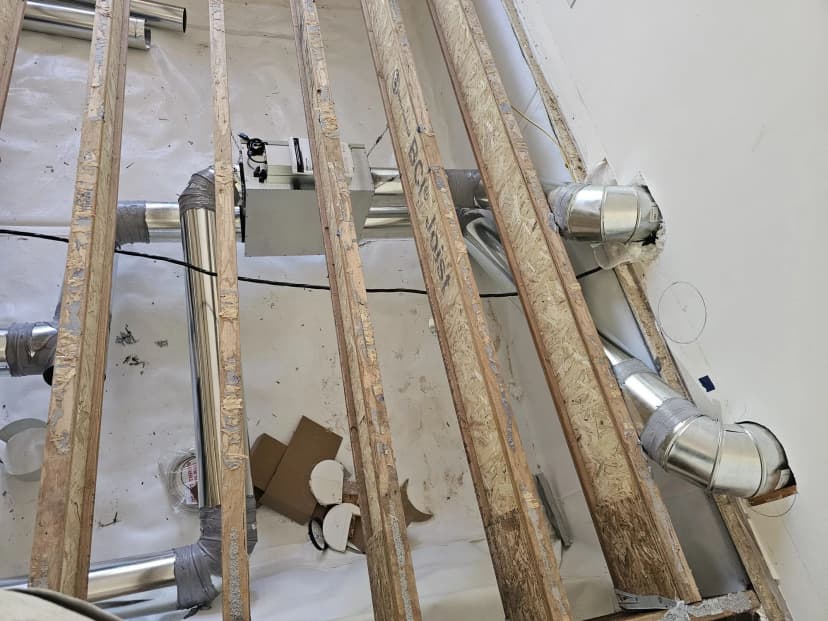
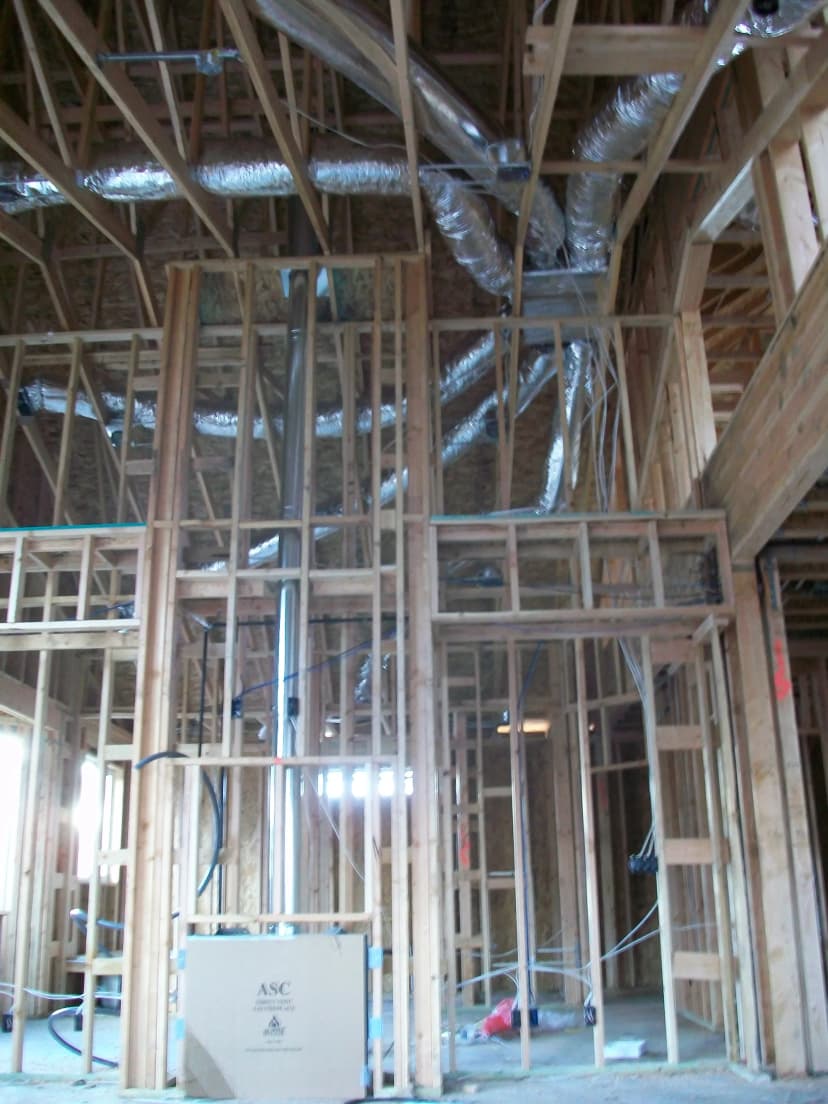
Mount ERV unit, connect to intake and exhaust ports, and duct fresh air to living areas and stale air from bathrooms/kitchen. Wire controls.
Measure supply and exhaust airflow with a flow hood. Balance dampers to achieve …
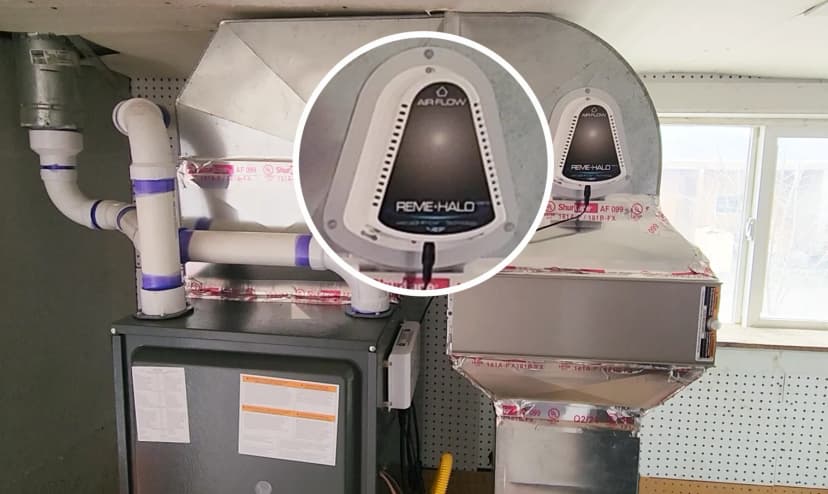
Measure supply and exhaust airflow with a flow hood. Balance dampers to achieve design CFM. Program run schedule and show homeowner controls.
Real Results in Utah Homes
Our Work
Ready to get started?
Free estimates · No hidden fees · Same-day available across Utah
The AYSP Difference
Why Utah Homeowners Choose Us
Fresh Air 24/7
Continuous supply of filtered outdoor air reduces CO2, odors, and stale air without opening windows.
Energy Recovery
Recovers up to 80% of heating/cooling energy from exhaust air. Fresh air without the energy waste.
Moisture Management
ERVs transfer moisture between airstreams, helping maintain indoor humidity levels in both winter and summer.
Code Compliance
Meets ASHRAE 62.2 mechanical ventilation requirements for tight modern homes and new construction.
Local Service
ERV & Fresh Air Ventilation Across Utah
We provide erv & fresh air ventilation services to homeowners across the Wasatch Front and surrounding areas. Same-day service available in most locations.
Got Questions?
ERV & Fresh Air Ventilation FAQ
?What's the difference between an ERV and HRV?
?How much does an ERV cost?
?Will an ERV help during inversion season?
?Does my home need an ERV?
?How noisy is an ERV?
Learn More
Resources & Related Services
Related HVAC Services
Get an ERV ventilation assessment
Serving homeowners across Utah County, Salt Lake County, Davis County, and beyond. Schedule a service call or explore our free guide to learn more.