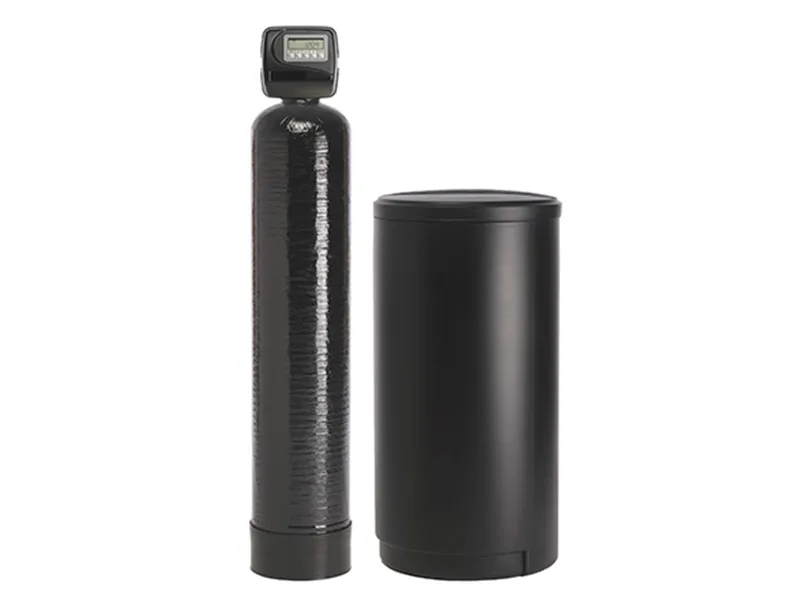
Water You Can
Actually Trust.
Utah has some of the hardest water in the country — 15-25+ grains per gallon in most areas. We help you understand what's in your water and install the right treatment, not the most expensive one.
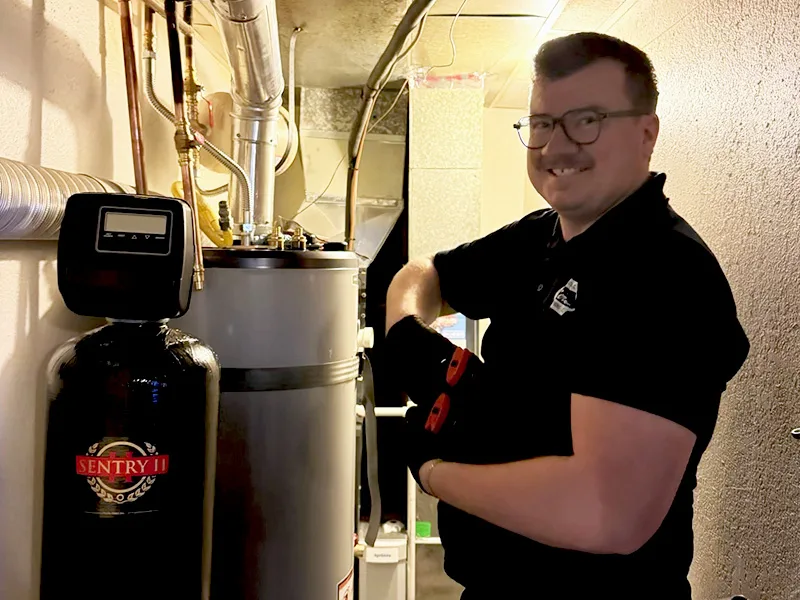
500+ verified installs
Utah Water Reality
What We Do
Plumbing & Water Treatment
From water quality to drain cleaning, we diagnose the real problem and recommend the right solution — not the most expensive one.
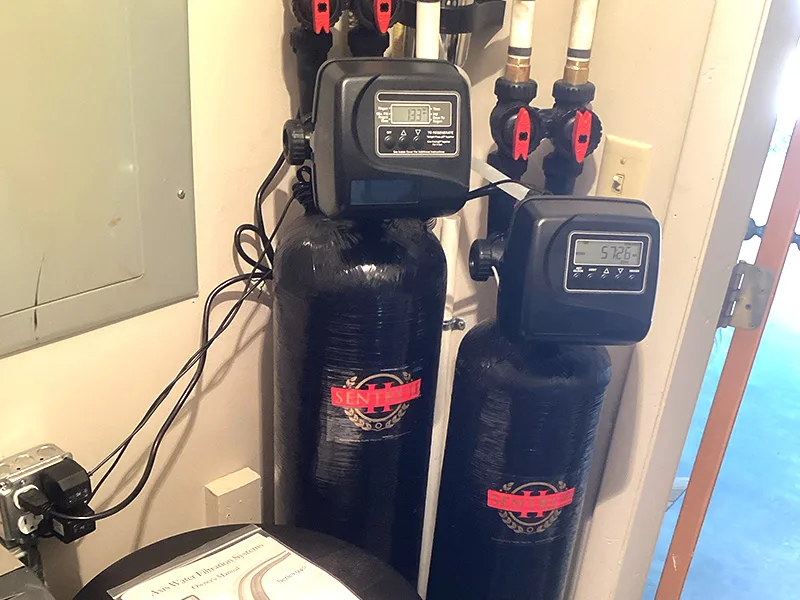
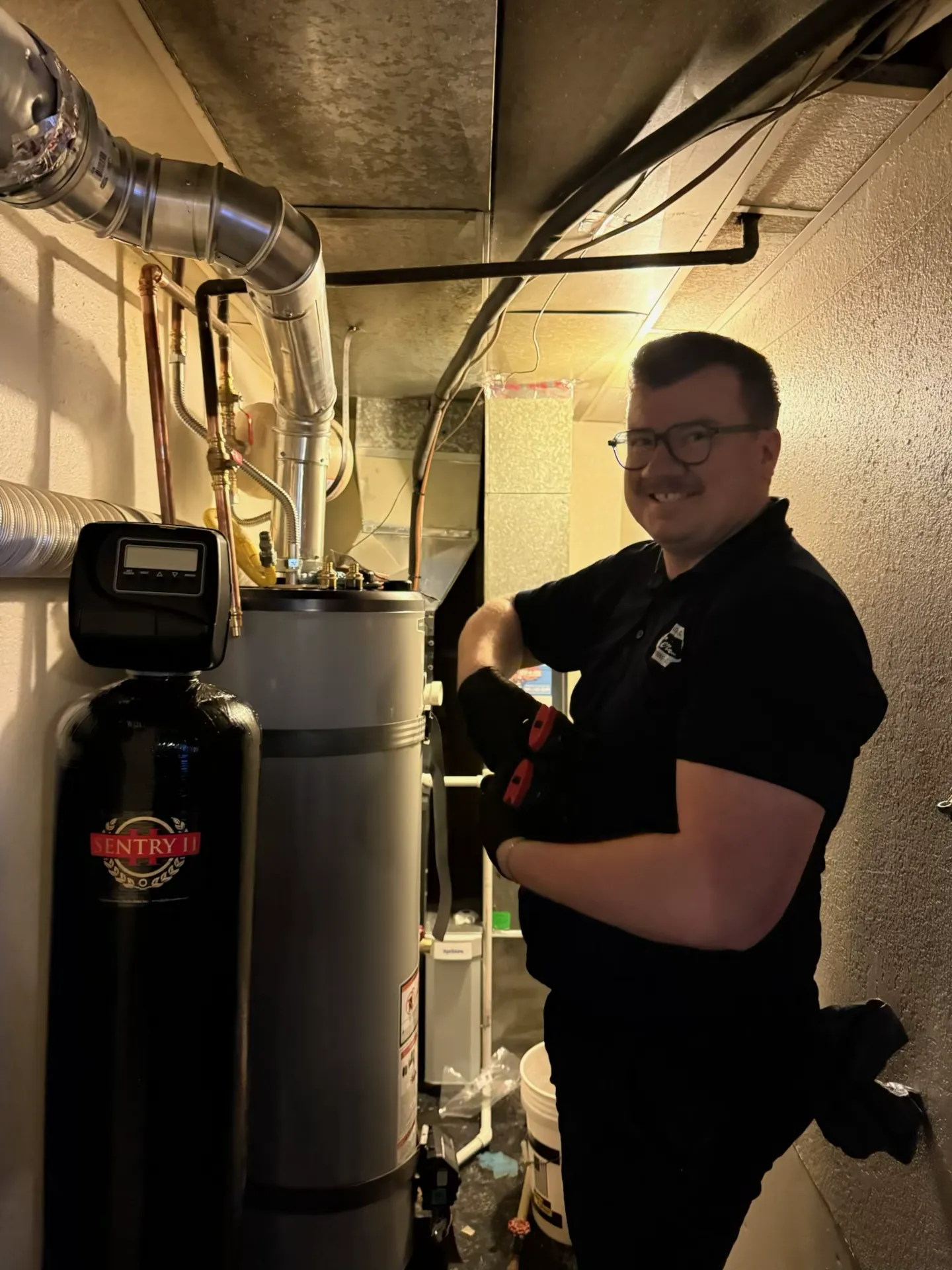
Water Softeners
Properly sized to your hardness level and household. Eliminates scale buildup on fixtures, reduces spotting on dishes, and stops dry skin/hair. We test your water first to recommend the right grain capacity.
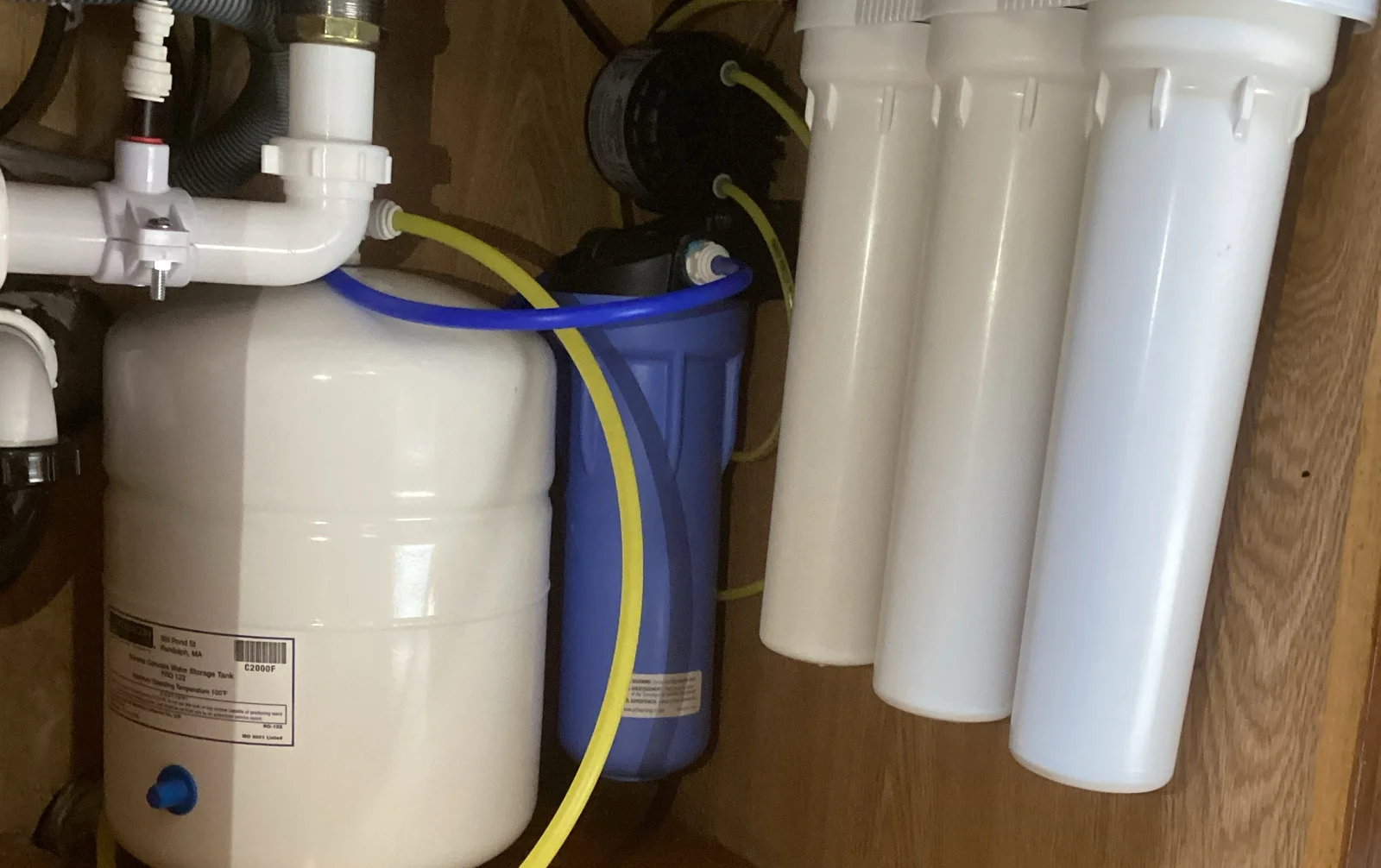
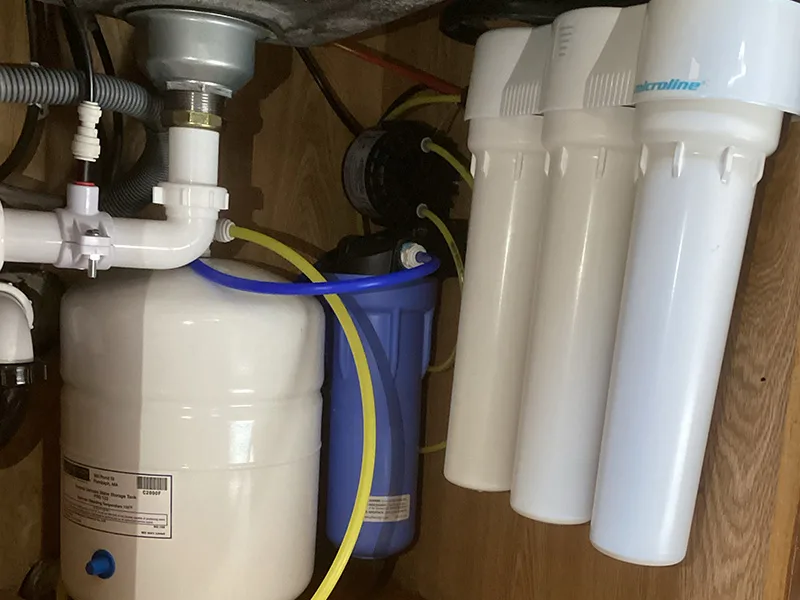
Reverse Osmosis (RO)
NSF 58-certified drinking water system. Removes 95-99% of contaminants including lead, PFAS, chlorine, and dissolved solids. Under-sink installation with dedicated faucet.
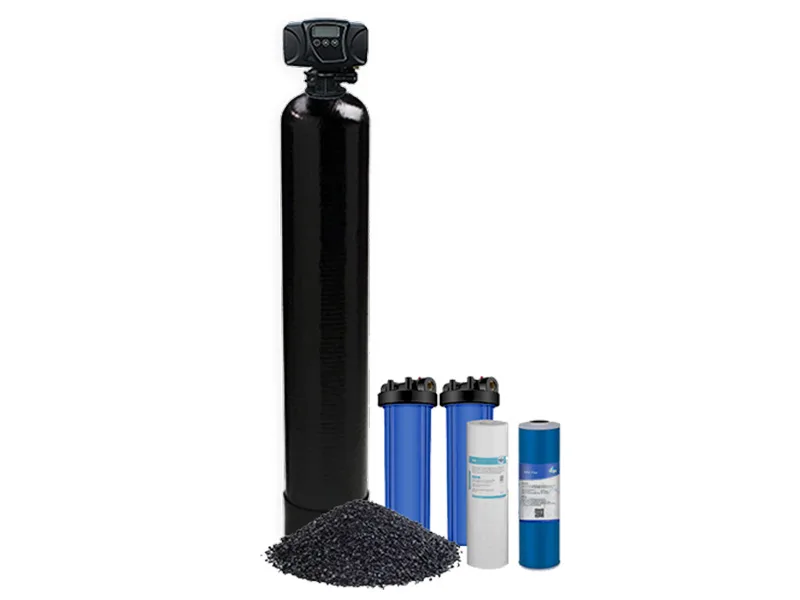
Whole-Home Carbon Filtration
Reduces chlorine taste and odor from every tap in your home. Protects plumbing, improves shower feel, and extends appliance lifespan. Low maintenance — filter change every 6-12 months.
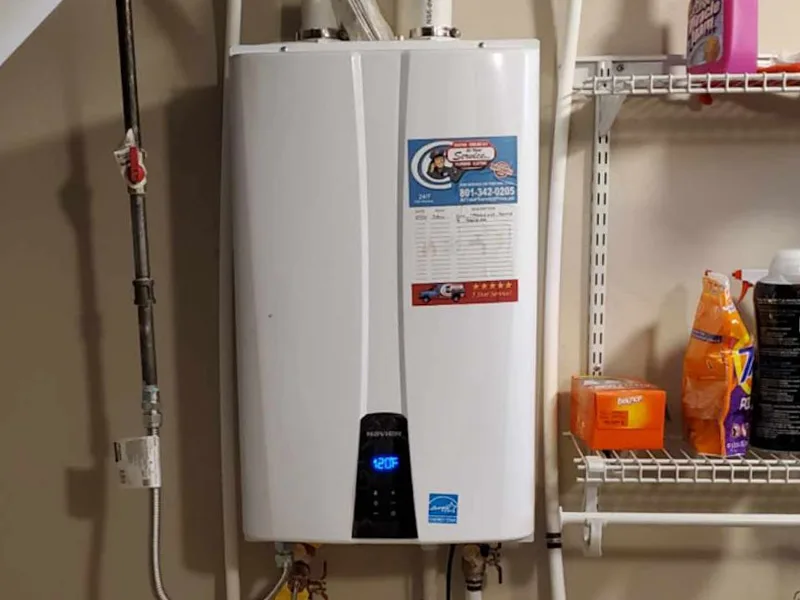
Water Heaters
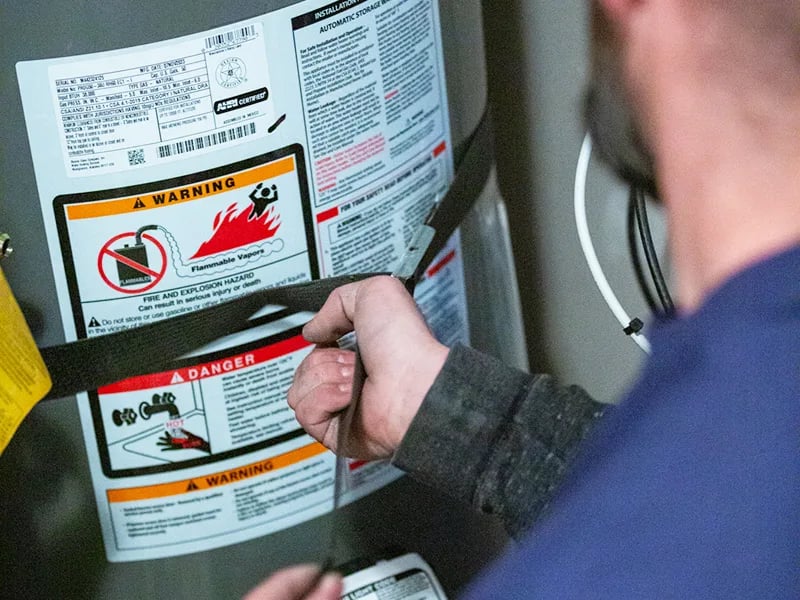
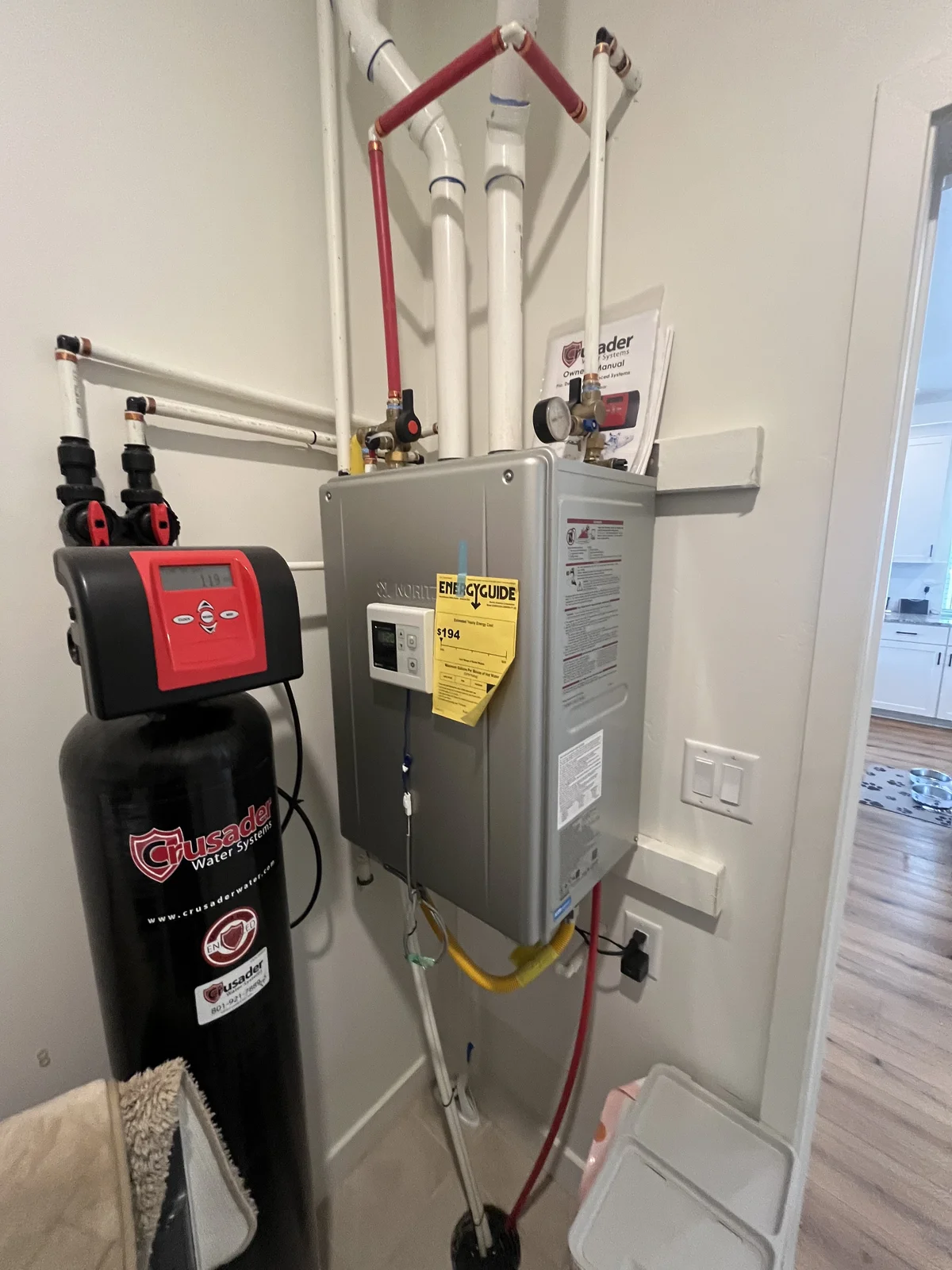
Tank and tankless options, properly sized for your household demand. Gas and electric models. We evaluate your hot water usage patterns before recommending a size.
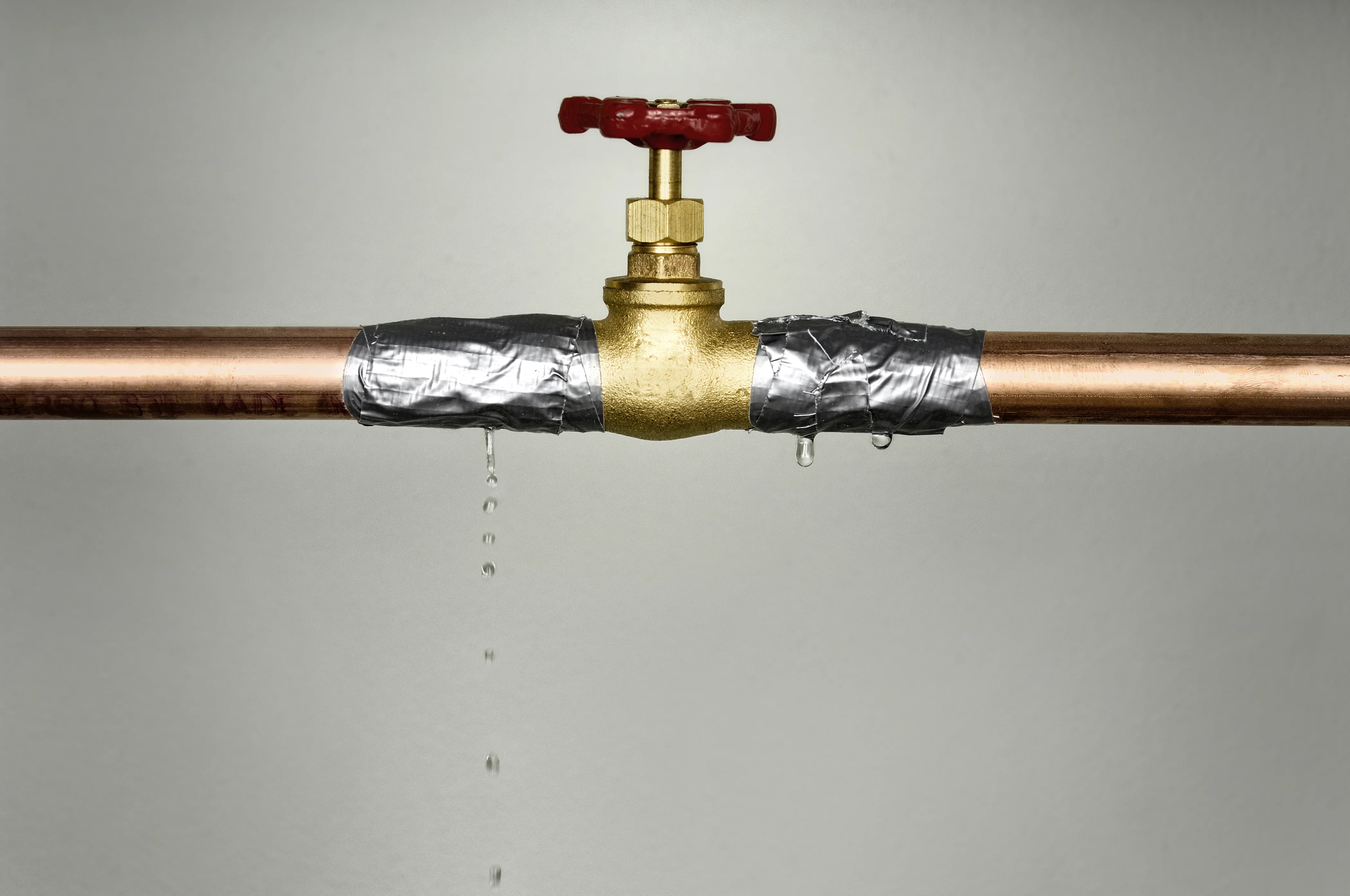
Drain Cleaning & Camera Inspection
HD camera inspection to find the real problem before clearing. We show you the footage and explain what we find — no mystery charges or unnecessary work.
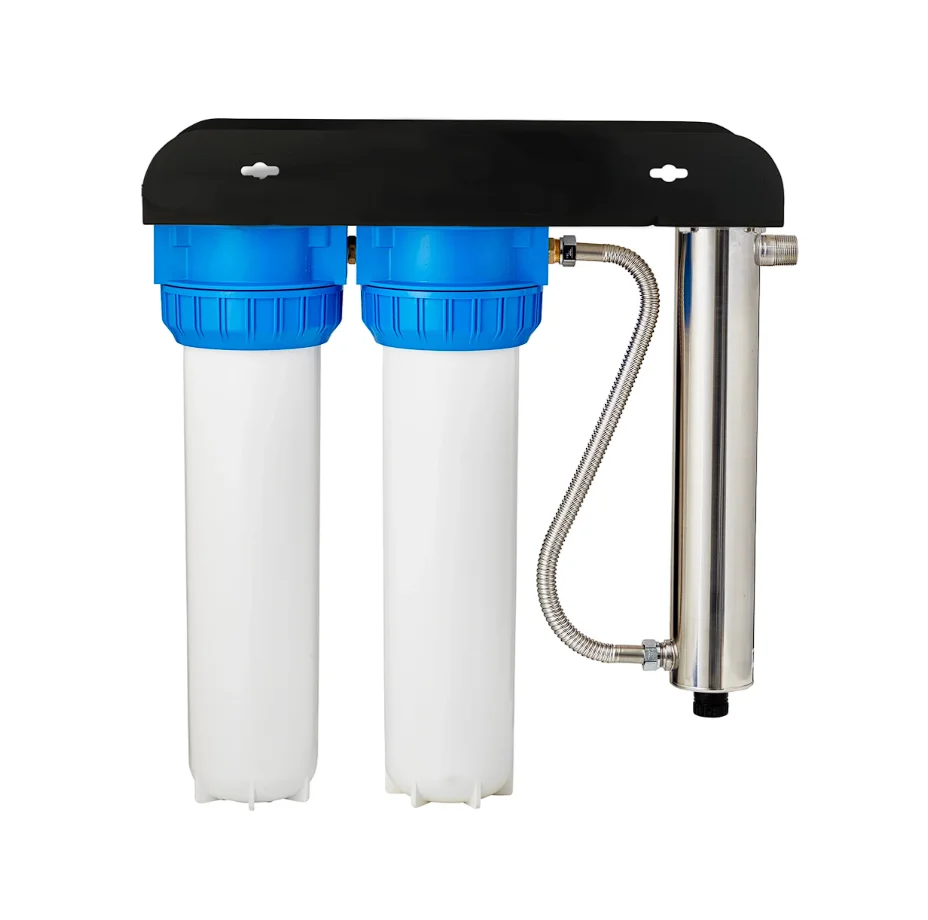
Sediment & UV Filtration
Pre-filtration catches particles before they reach your softener. UV-C disinfection neutralizes bacteria and viruses — essential for well water systems.
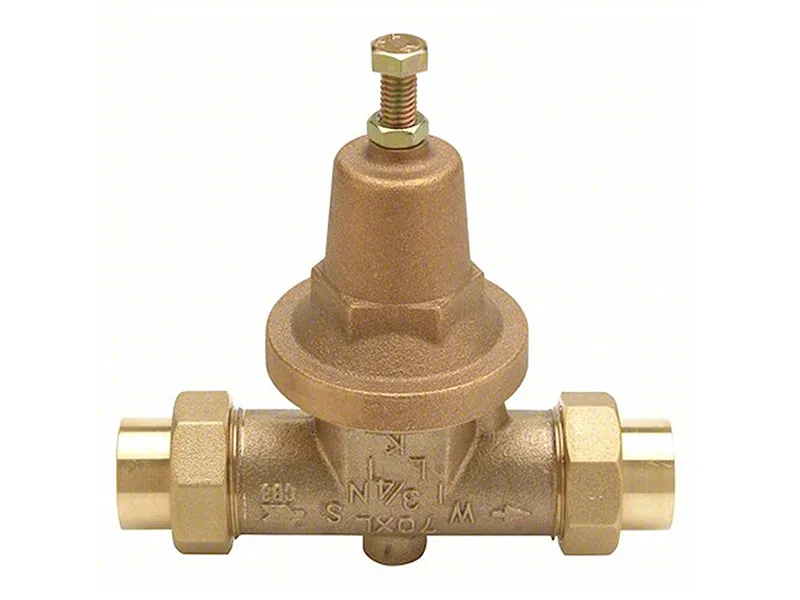
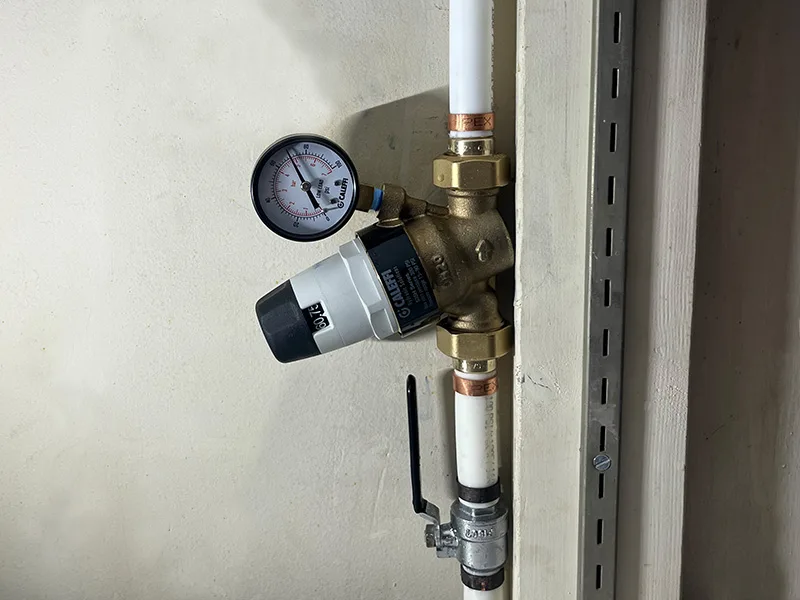
Pressure Reducing Valve (PRV)
Protects your plumbing from high water pressure that causes leaks, burst pipes, and premature fixture failure. We test your pressure and install the right PRV for your home.
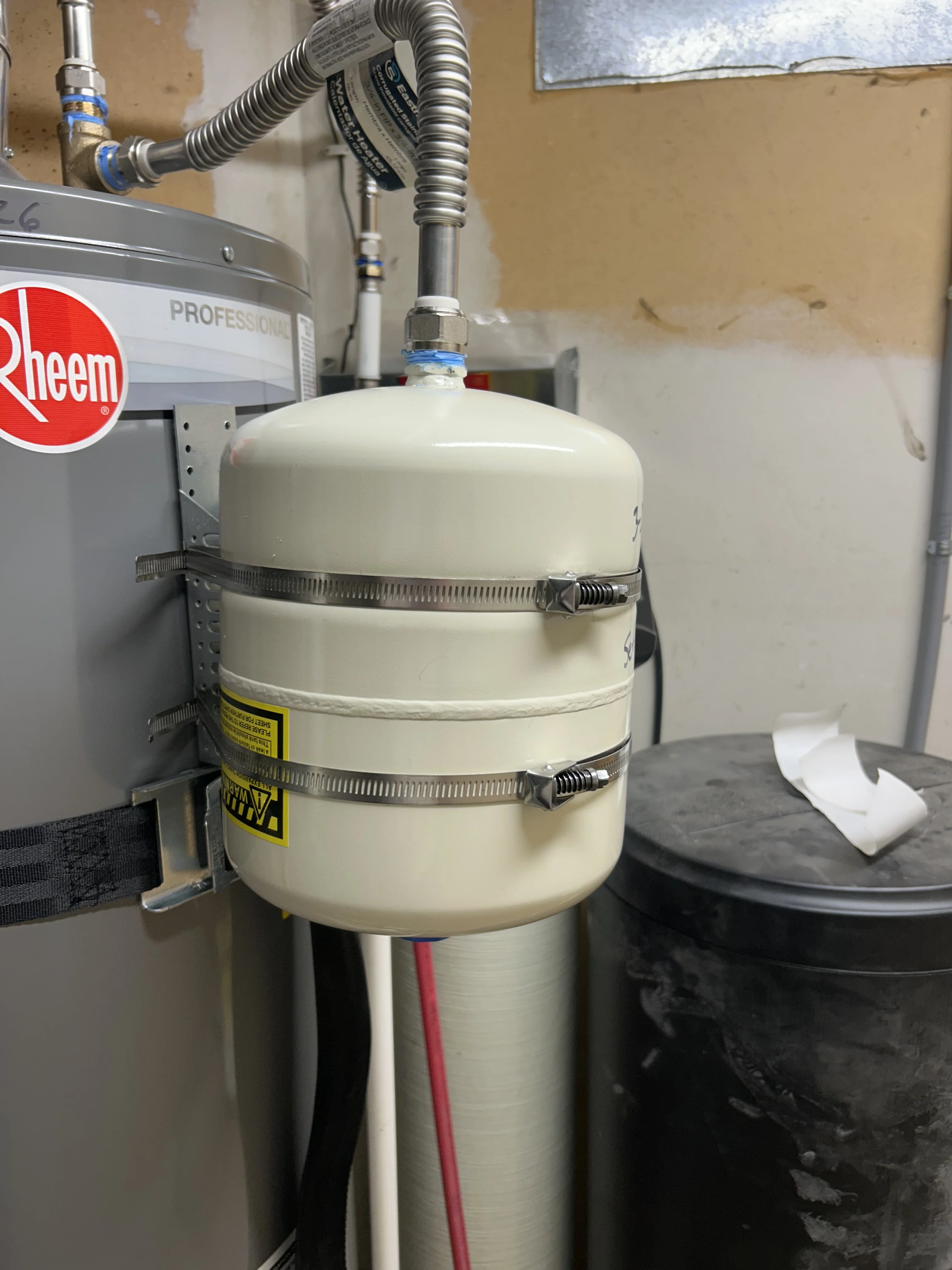
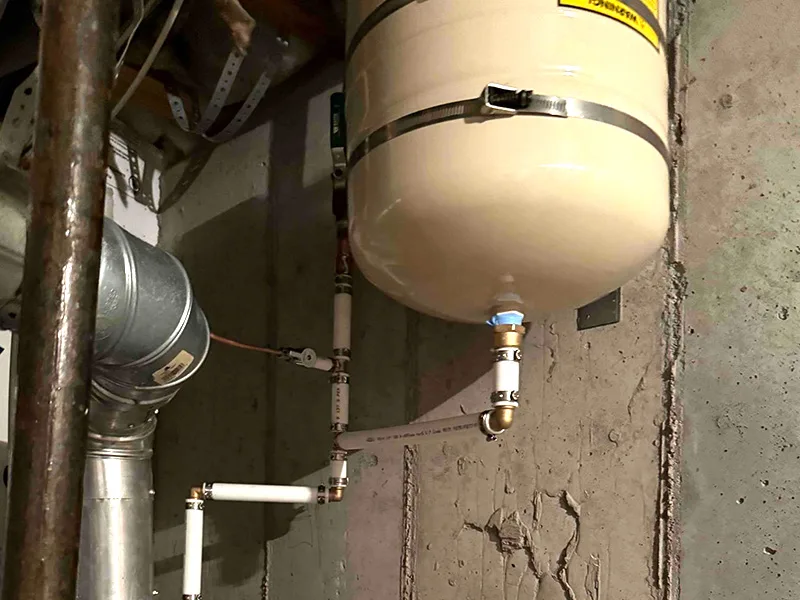
Expansion Tank
Required when a PRV or backflow preventer creates a closed system. Prevents pressure spikes from thermal expansion that damage water heaters, fixtures, and pipes.
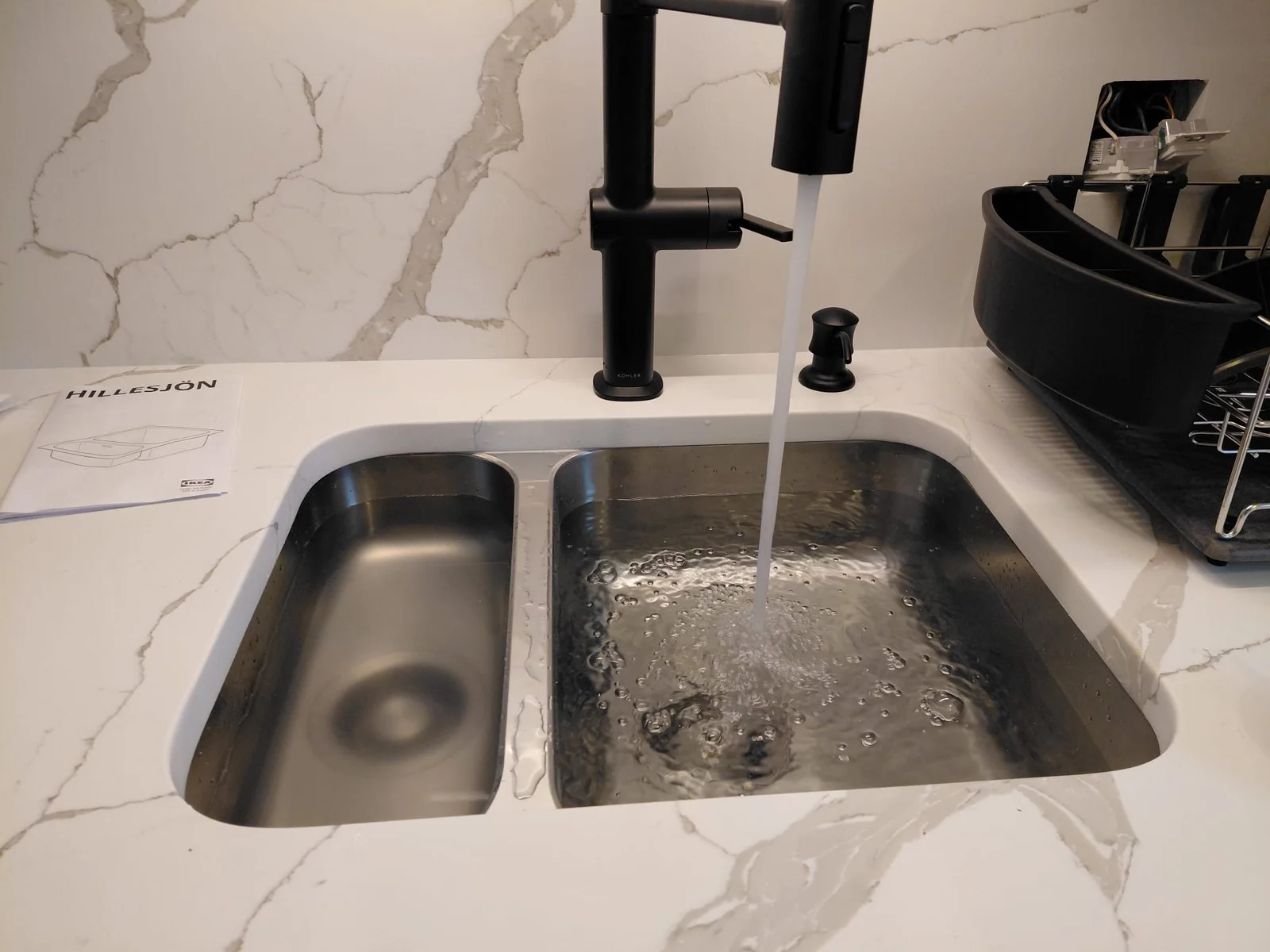
Bathroom & Kitchen Plumbing
Faucets, sinks, toilets, showers, and tub installations. We handle fixture upgrades, leak repairs, and full bathroom/kitchen plumbing rough-ins.
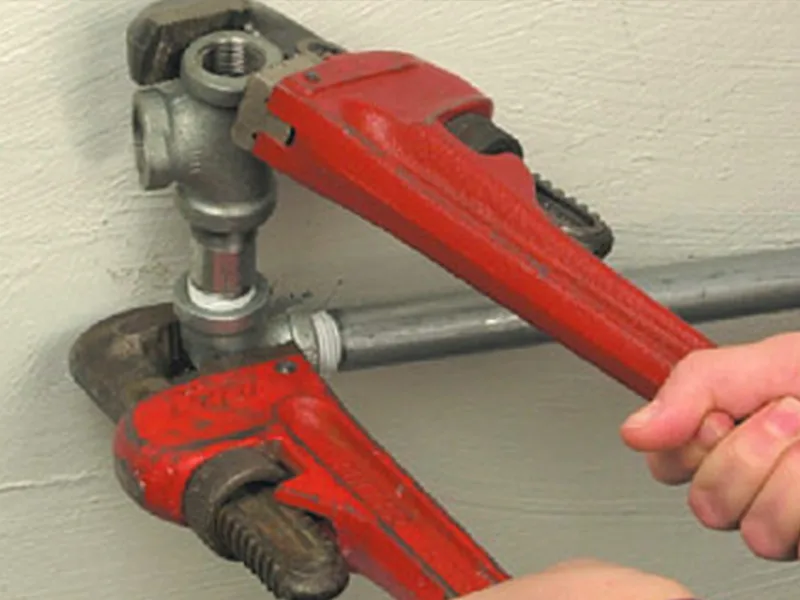
Gas Line Installation
Licensed gas line installation and repair for furnaces, water heaters, ranges, dryers, fire pits, and BBQ grills. Leak testing on every job.
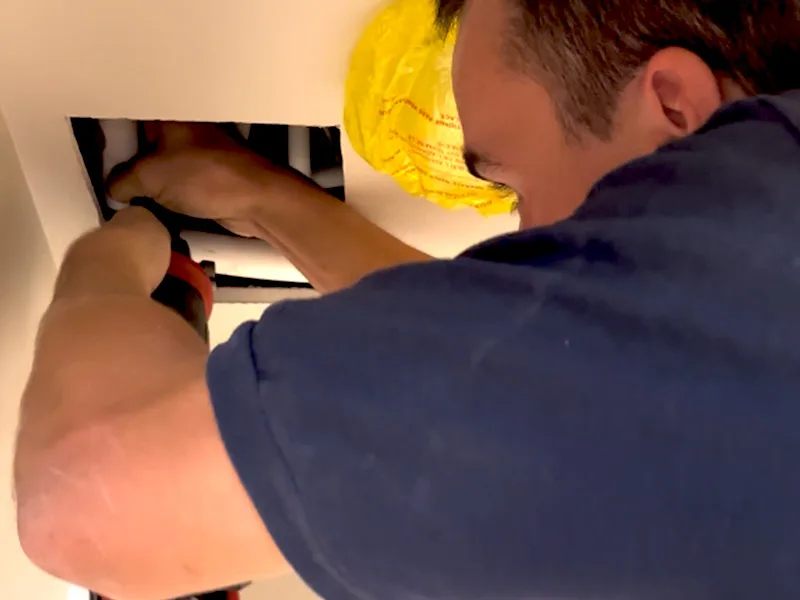
Sewer Line Services
Camera inspection, cleaning, and repair for main sewer lines. We diagnose the problem with HD video before recommending any work.
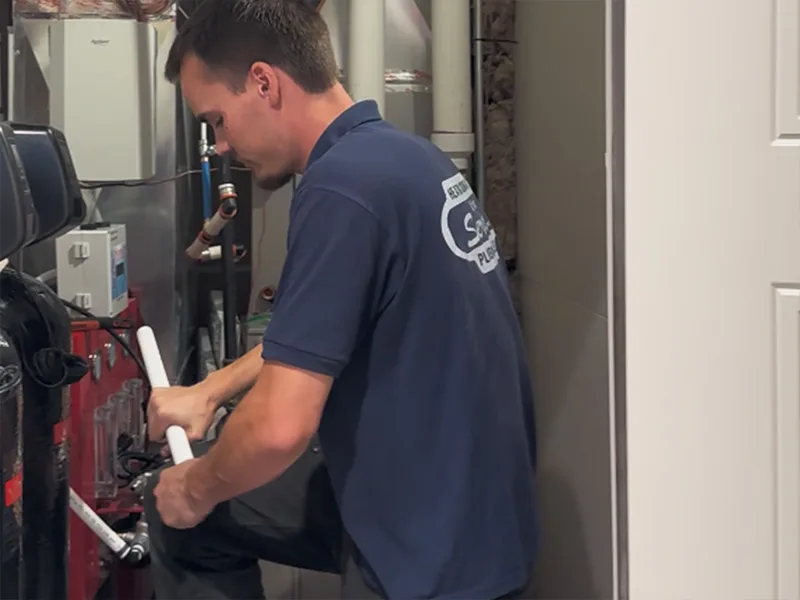
Water Line Repair
Main water line and supply line repair and replacement. We locate leaks accurately and fix them with minimal disruption to your property.
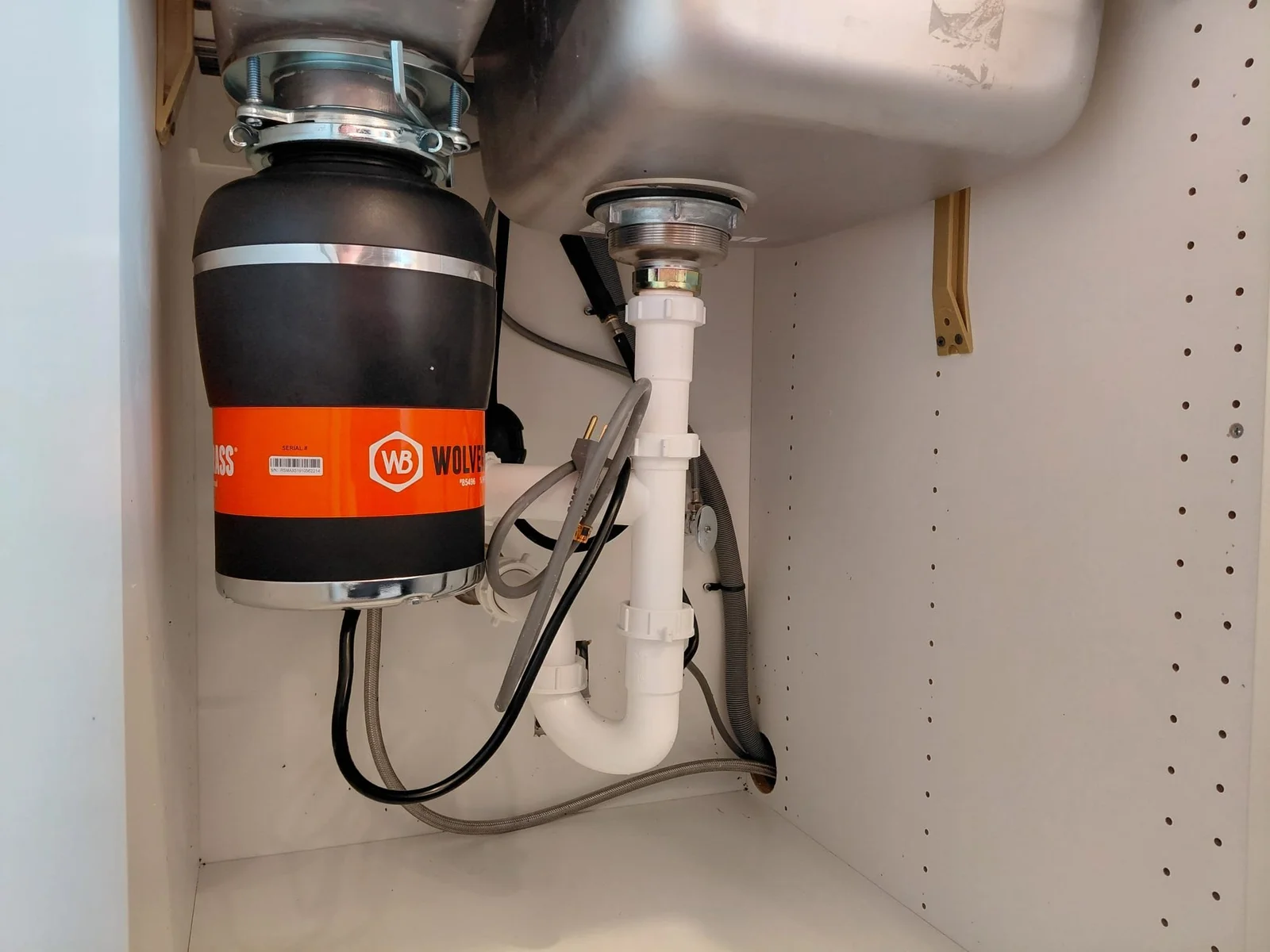
Garbage Disposal
New disposal installation and replacement. We match the right horsepower to your household usage and ensure proper drain connections.
The Why
Why Water Treatment Matters
Utah's water is harder and contains more dissolved minerals than most of the country. Without proper treatment, you're paying the price in damaged appliances and compromised health.
The Cost of Hard Water
Water Heater Damage
Scale buildup reduces efficiency by 20-30% and shortens tank life from 12-15 years to 8-10 years.
Appliance Failure
Dishwashers, washing machines, and ice makers fail 3-5 years earlier due to mineral deposits.
Plumbing Issues
Mineral scale narrows pipes and restricts water flow, leading to pressure problems and costly repairs.
Health & Quality Concerns
Skin & Hair Problems
Hard water prevents soap from lathering and leaves mineral residue that dries out skin and hair.
Contaminant Exposure
Utah tap water can contain lead, PFAS (forever chemicals), chlorine byproducts, and other harmful substances.
Energy Waste
Scale buildup forces water heaters to work harder, increasing energy consumption and utility bills.
The Layered Treatment Approach
Most homes benefit from a layered approach tailored to their specific water quality. Start with water testing to understand what you're dealing with, then build a system that addresses your unique challenges.
Whole-House Solutions
- • Water softener for hardness
- • Sediment filters for particles
- • Carbon filters for taste & odor
- • UV systems for bacteria control
Point-of-Use Solutions
- • Reverse osmosis for drinking water
- • Faucet filters for specific areas
- • Shower filters for skin/hair health
- • Refrigerator filters for ice
Proof of Work
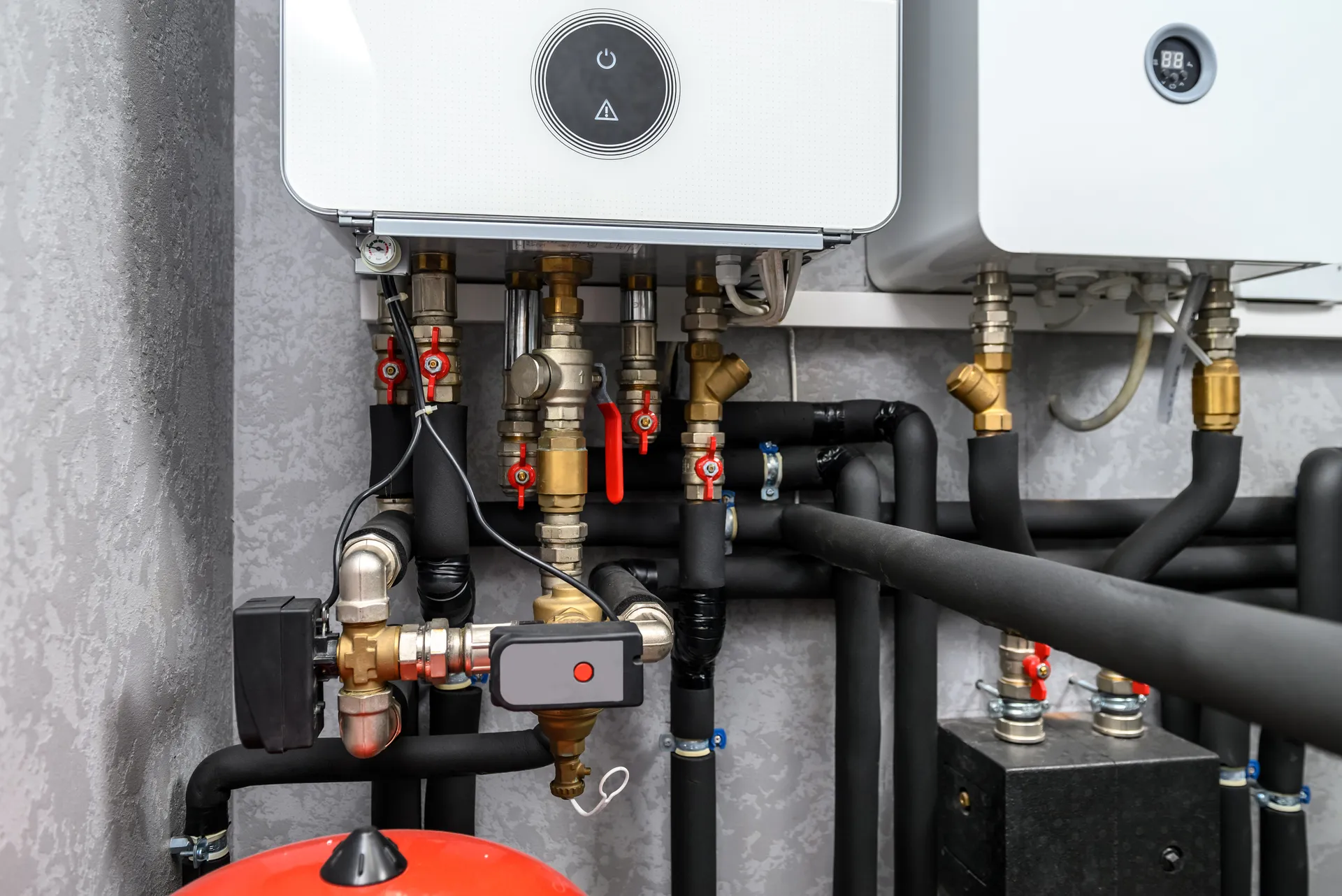
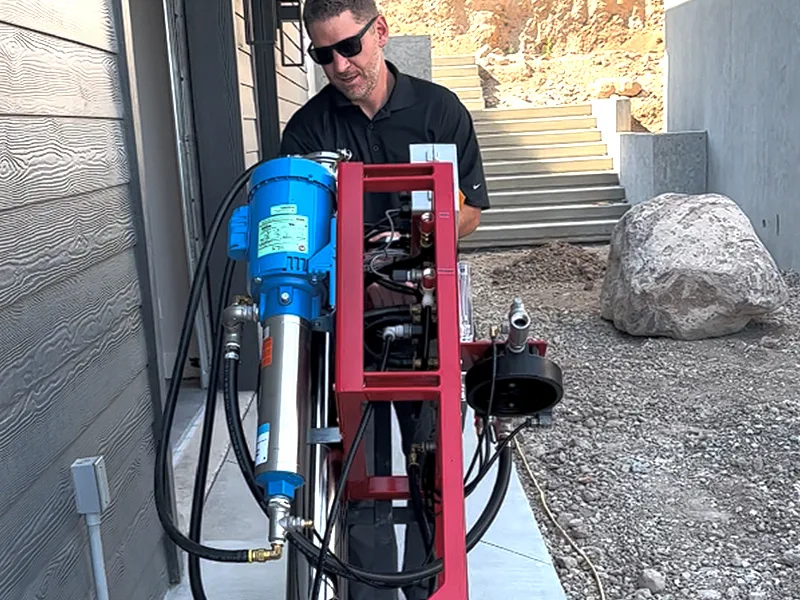
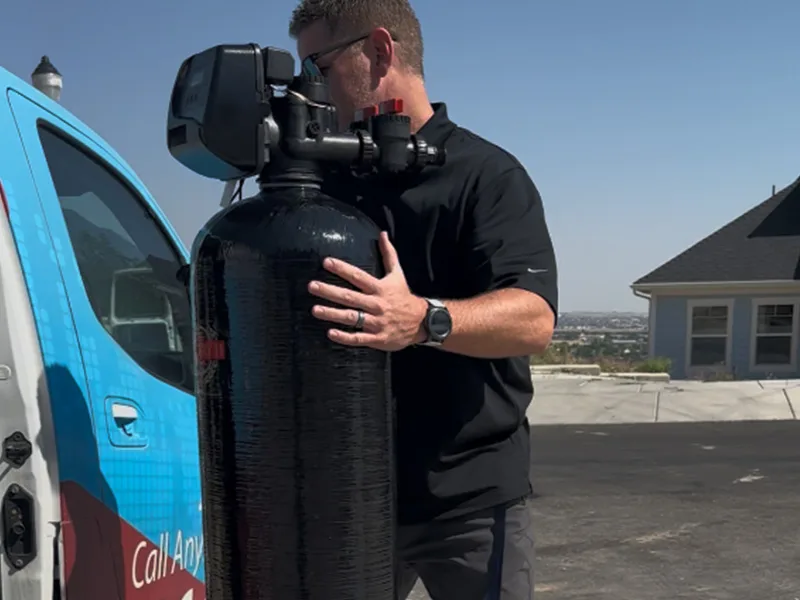
Recent Plumbing Work
Installs and repairs across Utah.
Common Questions
Water & Plumbing FAQs
How hard is Utah's water?
Do I need a water softener AND an RO system?
How do I know if my water is safe?
How much salt does a water softener use?
Should I get a tankless water heater?
Start Smart
Know Your Water Before You Buy
Our free water quality guide uses EPA data to help you understand what's in your water and which solutions actually work.