Lights Flickering? When It's Normal vs. When to Worry
Lights flicker when the AC kicks on, or all the time? Here's how to tell whether it's a harmless voltage dip, a loose neutral, or a serious fault.
Flickering lights have wildly different causes depending on the pattern. Brief dim during AC startup is normal; constant flicker on one circuit is a connection problem; whole-house flicker is a service-side issue.
Diagnostic
Most likely causes (in order)
Walk through the list top-to-bottom. The first cause matches roughly half of cases we see in Utah; if it doesn't fit your symptoms, move to the next.
Brief voltage dip (AC startup, microwave)
When a high-current device starts (AC compressor, microwave, hair dryer), it pulls a current spike. Service voltage drops briefly. Lights dim for 0.5–2 seconds, then recover. NORMAL on most homes.
Dimmer / LED bulb incompatibility
Old triac-based dimmers + modern LED bulbs = visible flicker, especially at low brightness. Need a dimmer rated 'LED-compatible' (CL/MLV).
Loose neutral connection
Loose neutral wire (at panel or junction box) = unbalanced 120V. One leg drops, lights on that leg flicker; lights on the other leg may go bright. Genuine fire/equipment-damage risk.
Failing breaker or burned panel busbar
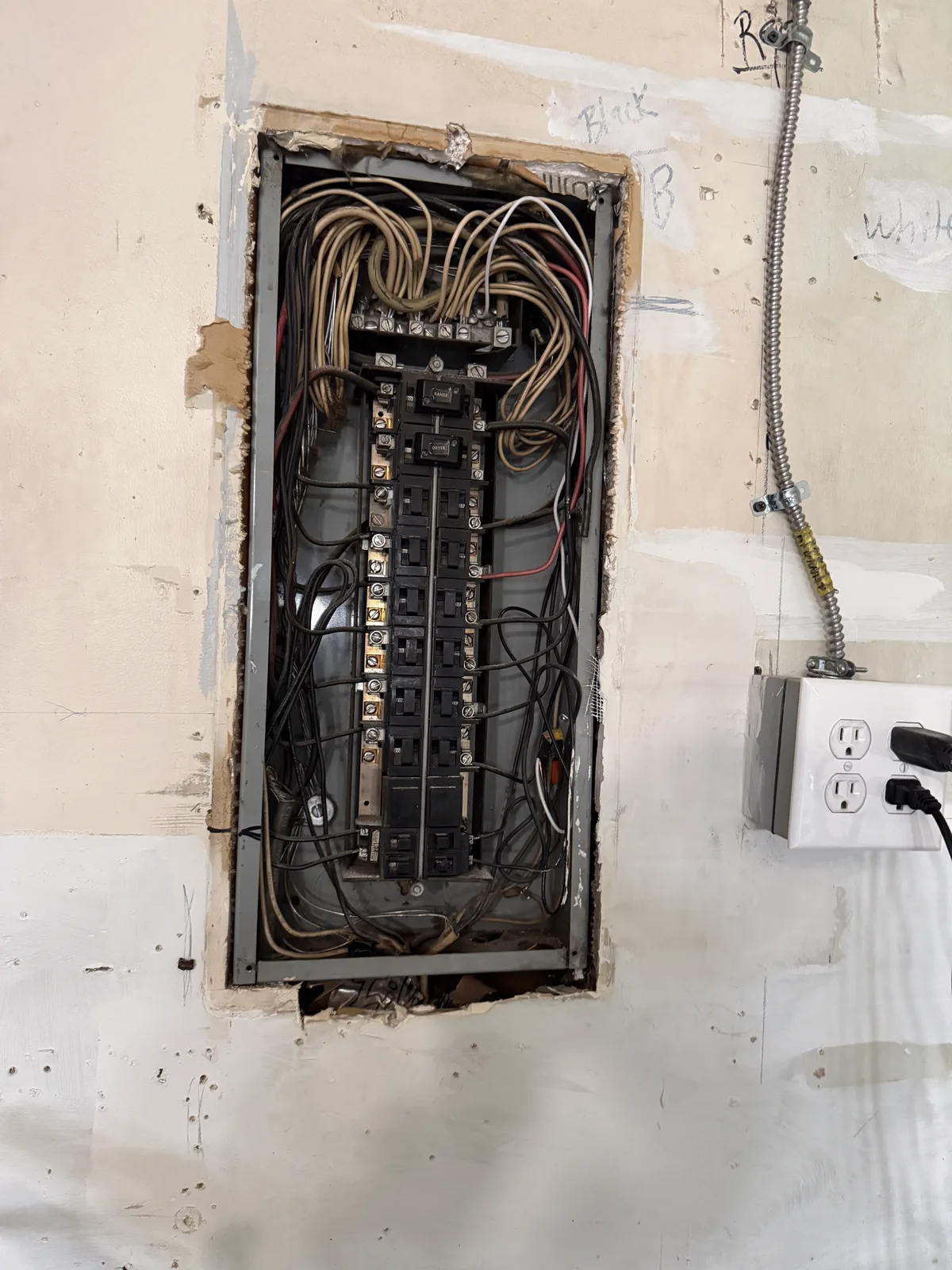
Federal Pacific or Zinsco panels: aluminum busbar oxidation creates intermittent connections to breakers. Lights on that circuit flicker as the connection comes and goes.
Service-side issue (utility)
Whole-neighborhood flicker = utility issue (transformer, line, weather). Whole-house but only your home flicker = service entrance or main breaker problem.
DIY first
Safe checks you can do today
Each step is labeled by safety level. Stop at any “Pro only” step — that's where the diagnostic crosses into work that needs gauges, multimeters, or live electrical access.
Identify the pattern
Safe DIYBrief dim with AC/microwave: normal. One circuit constant flicker: dimmer/LED. Whole-house: service issue. Random isolated flicker: loose connection.
Try replacing dimmer + bulb
Safe DIYDimmer/LED incompatibility is cheap to fix. LED-rated dimmer ($25) + matched LED bulb. Confirms it's not a more serious issue.
Check whole-house flicker timing
Safe DIYAffecting only your home? Service-side issue between transformer and your panel. Affecting whole street? Utility problem — call Rocky Mountain Power.
Stop here if isolated to one circuit and persistent
Pro onlyLoose connections in a panel or junction box = live electrical work. Some are also genuine fire hazards. Call.
Stop and call
When you should call us instead
- Lights bright then dim irregularly — possible loose neutral (electrical hazard)
- Flicker accompanied by burning smell — fire risk, call today
- FPE Stab-Lok or Zinsco panel with flickering — panel replacement candidate
- Multiple devices on the same circuit damaged or failing prematurely — voltage problem damaging electronics
Not sure if it's a real problem?
Our AI walks you through the same triage a senior tech would — figures out whether you need a service call or whether it's something simpler you can handle yourself. Or skip ahead and book a diagnostic visit.
FAQ
Frequently asked questions
Are flickering LED lights damaging anything?
+
Cosmetic-only flicker on a dimmer: no. Voltage-dip flicker affecting a whole circuit irregularly: yes — sensitive electronics on that circuit (computers, TVs, AV gear) can fail prematurely. Diagnose persistent flicker; don't ignore it.
Related
More diagnostic guides
Other common Utah-home symptoms with the same step-by-step diagnostic format.
Breaker Keeps Tripping? Utah Electrical Diagnostic
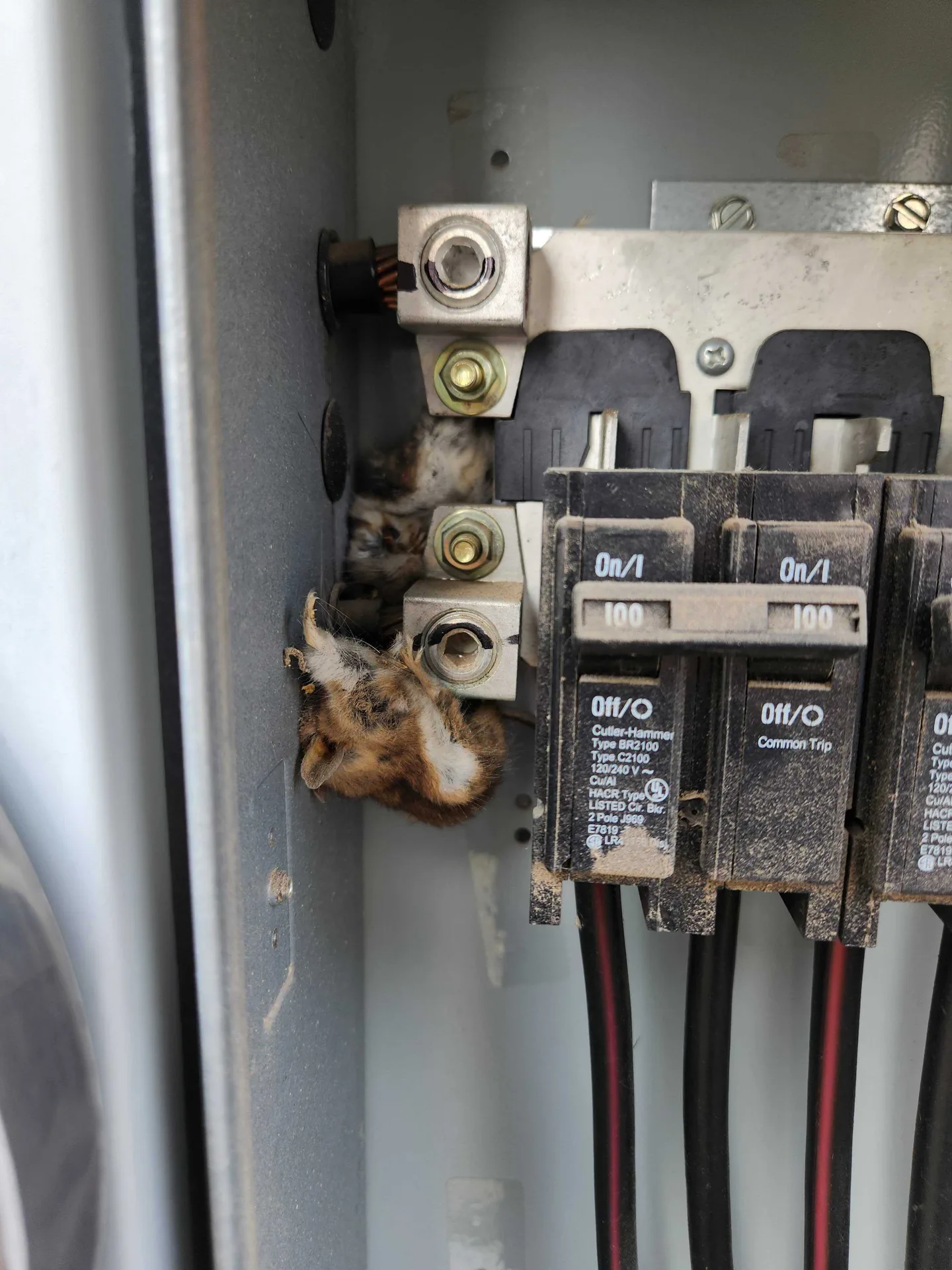
Same breaker keeps tripping — overload, short, or fault? Diagnostic guide.
Outlet Not Working? 6 Most Common Utah Causes
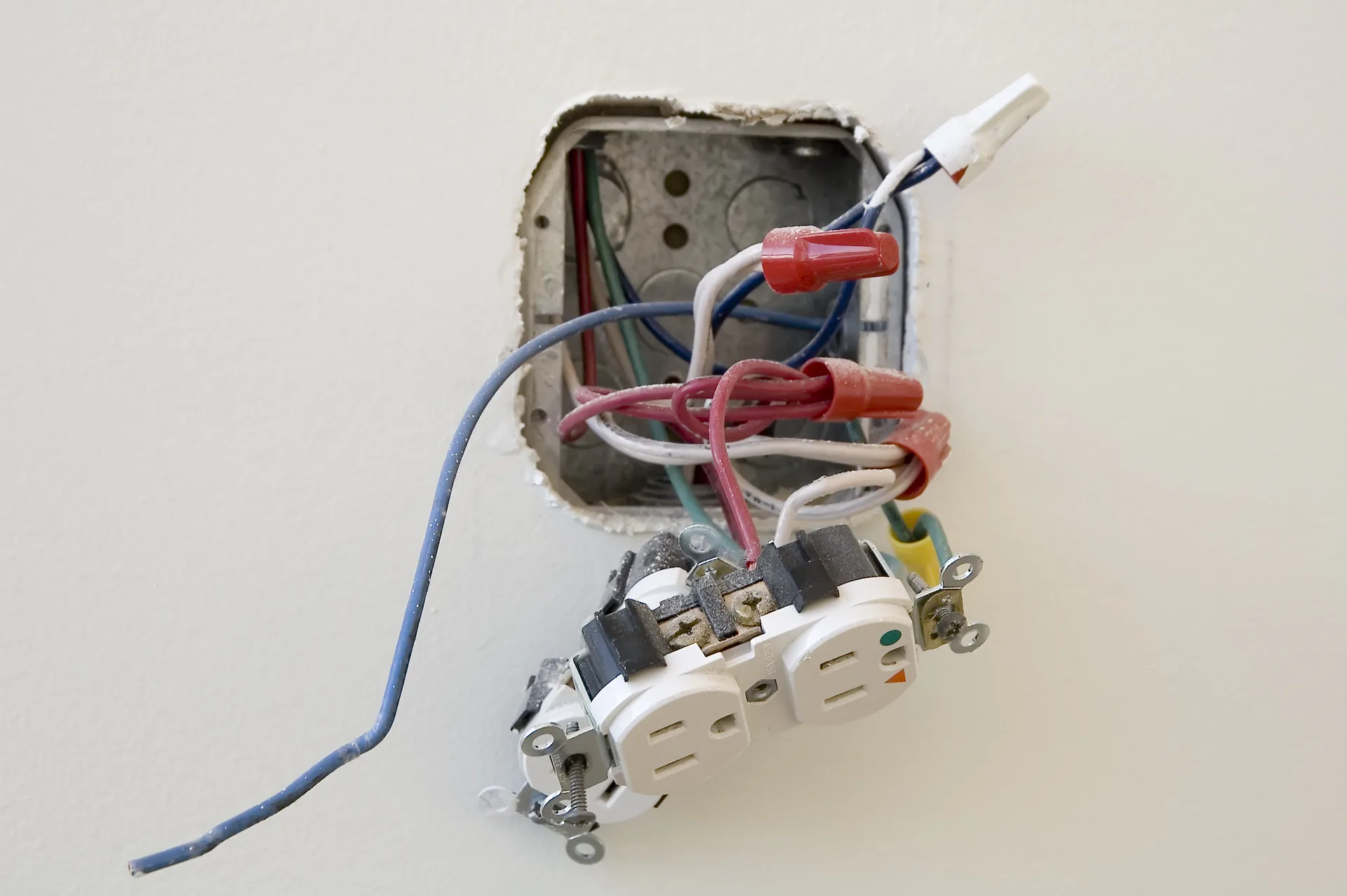
Single outlet dead — GFCI reset or hidden fault? Quick diagnostic.
Burning Smell from an Outlet? Stop Reading and Act
Burning smell = stop using outlet, kill power to circuit, call.