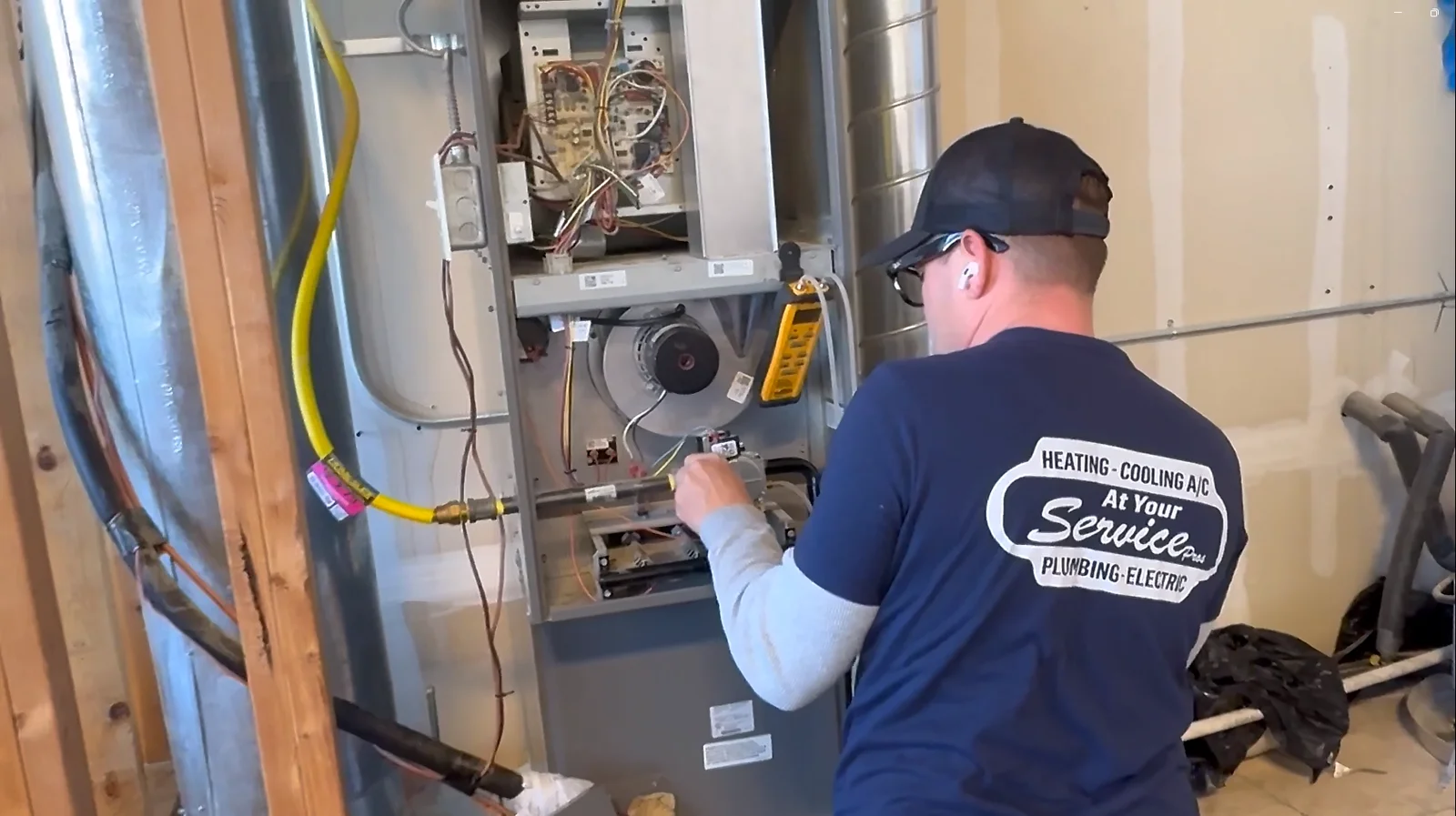
Furnace Short-Cycling: Why It Happens and How to Fix It
Furnace turning on and off every few minutes? Here's what's actually causing it in Utah homes, what's safe to check, and why ignoring it kills your heat exchanger early.
A furnace that runs for 2–3 minutes, shuts off, restarts 60 seconds later, and repeats is short-cycling. It feels harmless but it's actively damaging the heat exchanger — most expensive component in the unit. Here's why it happens and how to triage.
Diagnostic
Most likely causes (in order)
Walk through the list top-to-bottom. The first cause matches roughly half of cases we see in Utah; if it doesn't fit your symptoms, move to the next.
Dirty flame sensor
Single most common cause on Utah furnaces. The flame sensor is a thin metal rod in the burner area; it confirms the flame is lit. Mineral deposits coat it; sensor reads 'no flame' even when there is one; gas valve closes; cycle restarts. Cheap fix.
Clogged air filter (overheating limit switch)
Restricted airflow means heat builds up faster than the blower can move it. The high-limit safety switch trips, shuts the burner off, then the furnace restarts after cooling.
Oversized furnace
A furnace too big for the home heats the thermostat-area too fast, hits setpoint, shuts off, then has to restart 5–10 minutes later. Common in older Utah homes that had insulation upgrades but not equipment downsizing.
Bad thermostat or thermostat wiring
Thermostat losing contact intermittently sends false ON/OFF signals. Common with cheap thermostats or aging C-wire splices.
Cracked heat exchanger (safety shutoff)
A cracked exchanger lets combustion gases interact with the blower air. Modern furnaces detect the resulting flame disturbance and shut down for safety. Furnace older than 15 years + short-cycling = stop and call.
DIY first
Safe checks you can do today
Each step is labeled by safety level. Stop at any “Pro only” step — that's where the diagnostic crosses into work that needs gauges, multimeters, or live electrical access.
Replace the air filter
Safe DIYSolves overheating-limit short-cycling instantly if that's the cause. Also a common contributor to other problems.
Time how long each cycle lasts
Safe DIYTime from burner ignition to burner shutoff. <5 minutes = short-cycling. 8–15 minutes is normal for a properly-sized furnace on a cold day.
Look for the flame through the inspection port
Safe DIYFurnace front panel has a small viewing window. Watch the flame for 30 seconds during a cycle. If it lights and fails within 5–10 seconds, the flame sensor is the prime suspect.
Stop and call
When you should call us instead
- Cycles last under 3 minutes — heat exchanger stress accumulating
- You smell anything unusual (especially exhaust or sulfur) when the furnace runs
- The flame is yellow or wavering instead of steady blue
- Furnace is 12+ years old AND short-cycling — schedule a heat-exchanger inspection
Not sure if it's a real problem?
Our AI walks you through the same triage a senior tech would — figures out whether you need a service call or whether it's something simpler you can handle yourself. Or skip ahead and book a diagnostic visit.
FAQ
Frequently asked questions
Is short-cycling dangerous?
+
Short-term, no. Long-term, yes — repeated thermal stress fatigues the heat exchanger metal, shortens furnace life by 30–40%, and can develop into a cracked exchanger which IS dangerous (carbon monoxide risk). Don't ignore it for more than a heating season.
How much does flame sensor cleaning cost?
+
Standalone visit: typically $145–$200. Included free in our annual furnace tune-up ($159, or free for Service Partner Plan members) since flame sensor cleaning is part of the standard checklist.
Related
More diagnostic guides
Other common Utah-home symptoms with the same step-by-step diagnostic format.
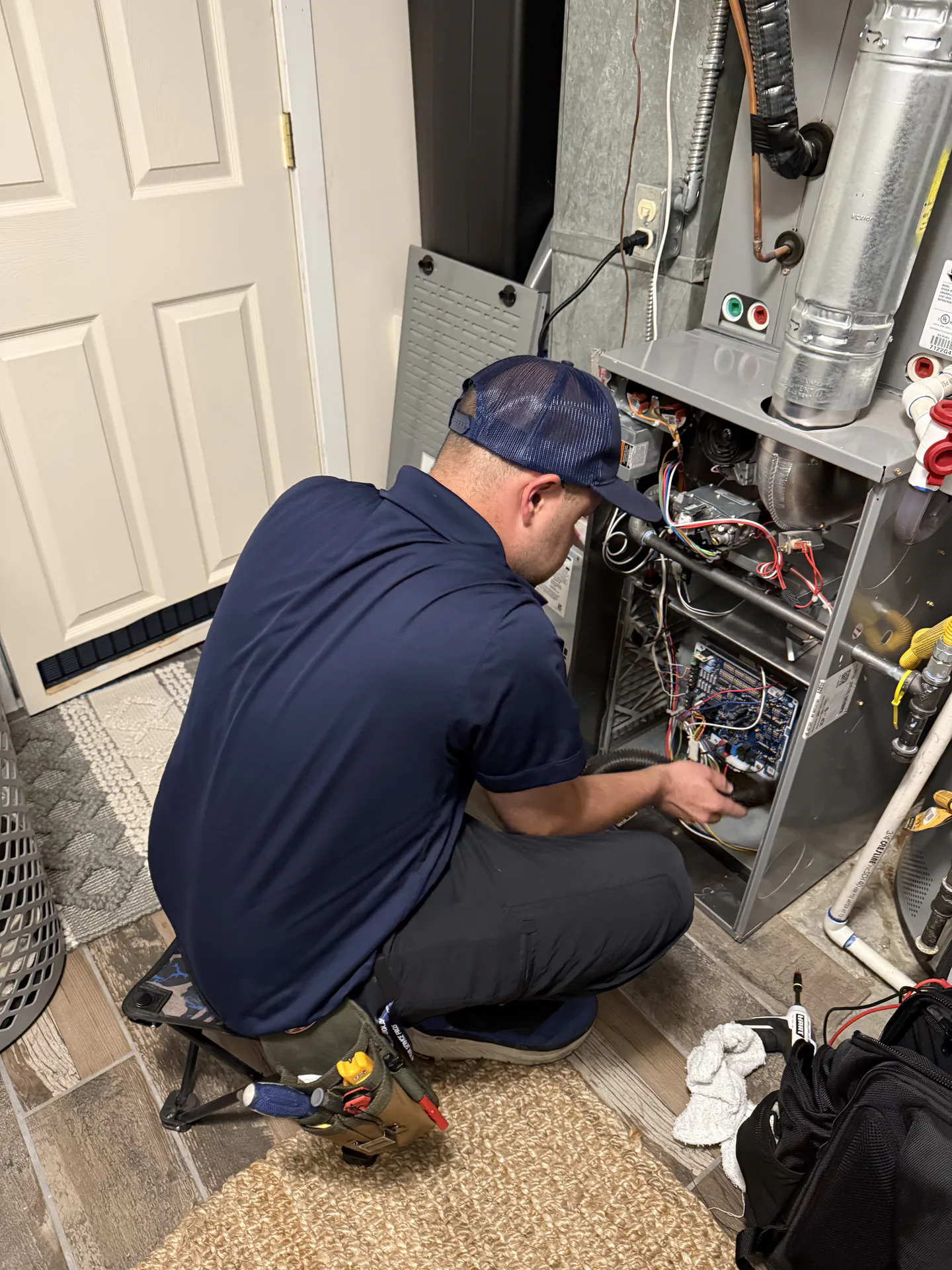
Furnace Won't Ignite: 7 Most Common Utah Causes
Blower runs, burner won't light — top 7 causes in Utah furnaces.
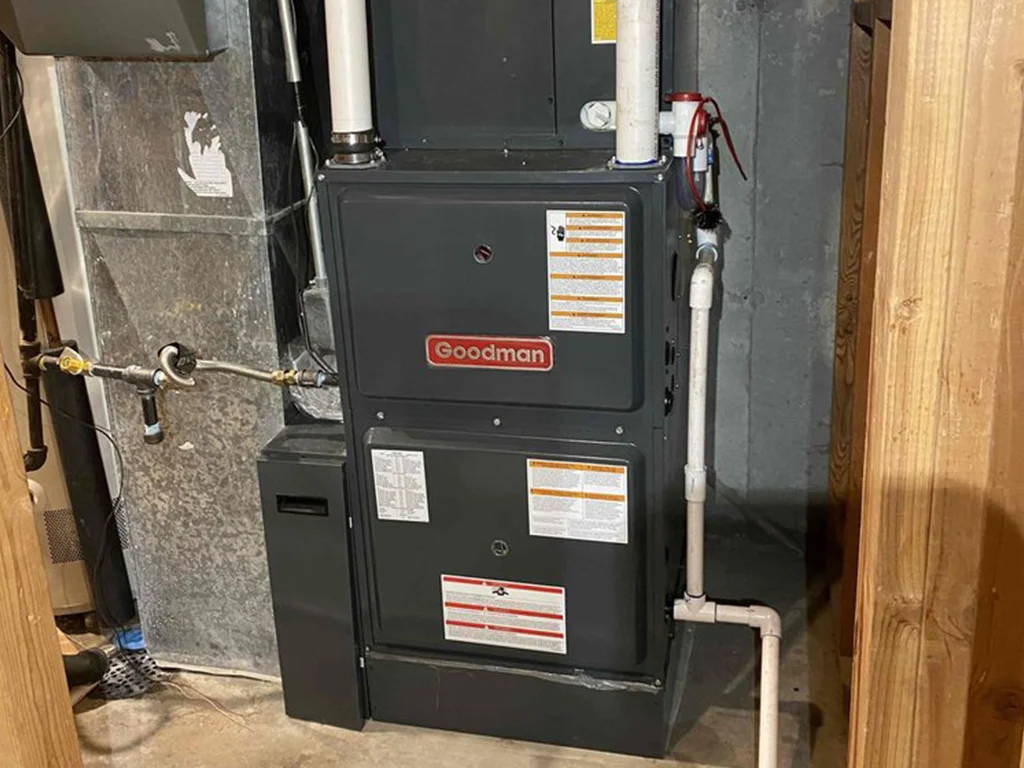
Furnace Blowing Cold Air? Here's What's Wrong
Heat call but cold air — top causes and triage.
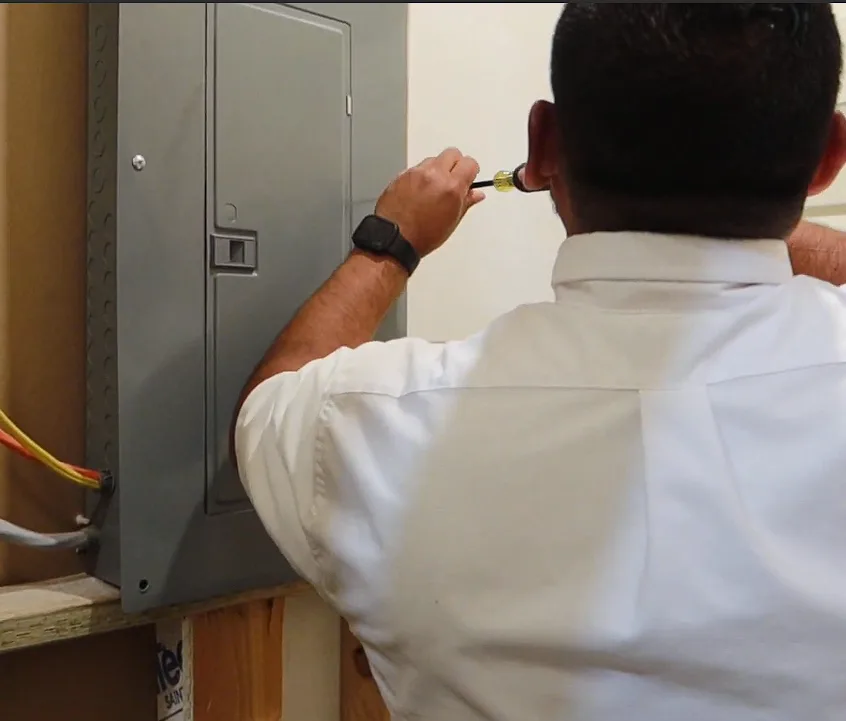
Why Are My Utah Energy Bills So High? HVAC Diagnostic
Bill up $40–$100/mo with no usage change? Top HVAC + plumbing + electrical causes.